Hooge Platen

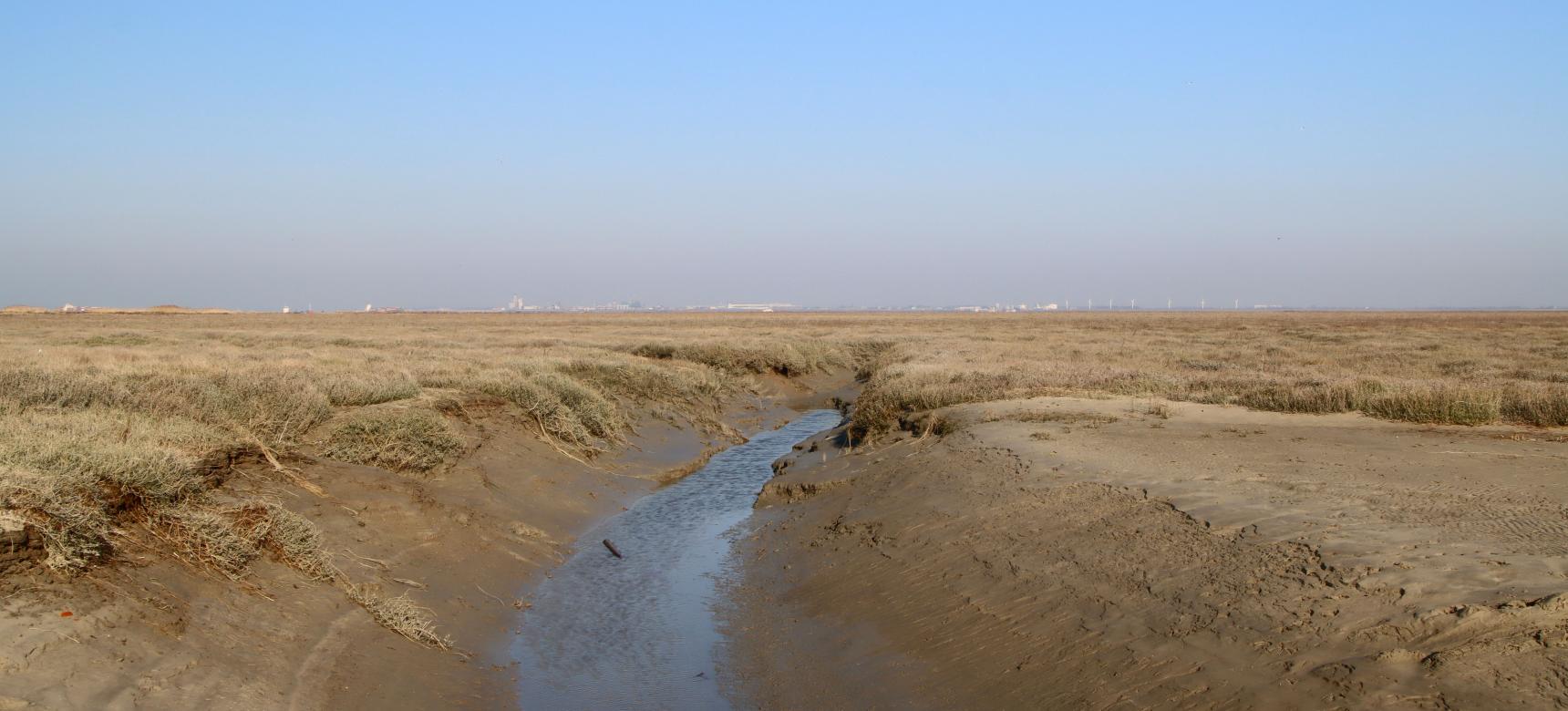
In the middle of the mouth of the Western Scheldt, where the tide constantly creates and erodes land, lie the Hooge Platen. This 1,800-hectare area of mudflats and salt marshes is one of the most dynamic natural environments in the Geopark.

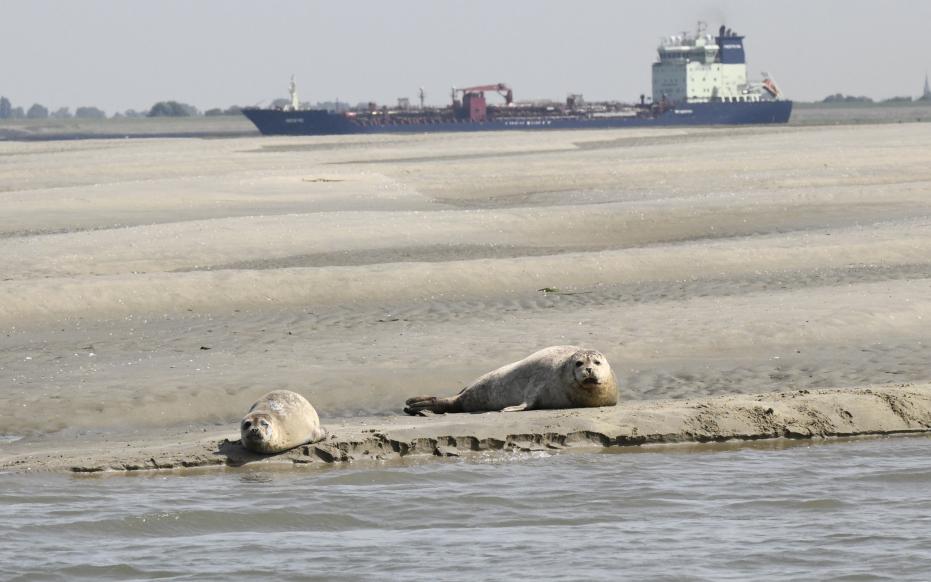
At low tide, the sandbanks become a paradise for birds: Sandwich terns, little terns, common terns, plovers, avocets, and black-headed gulls forage or raise their young here. In summer, groups of seals rest here and nurse their pups on the sandbanks. At high tide, the mudflats disappear underwater and young fish come to feed in great numbers.

51.390166719886, 3.6227286

Twee zeehonden staren je aan vanop de Platen van Ossenisse (gemaakt door Annelien Bij de Vaate)

Things to do

  • Spot breeding birds such as little terns and avocets from the dike.
  • See seals resting on the sandbanks, especially around low tide.
  • Cycle along the dike path and stop at the Nummer Een bird hide.
  • Join a boat tour from Breskens to explore the Hooge Platen from the water.
Zeehonden op de Platen van Ossenisse in de Westerschelde (gemaakt door Annelien Bij de Vaate)

Practical information

  • The area itself is not accessible.
  • From the dike between Hoofdplaat and Nummer Een you can see everything.
  • Best time to spot seals: from two hours before low tide until low tide.
  • More information can be found on the website of Het Zeeuwse Landschap.

What this place tells us about the Geopark

The Hooge Platen show how tides and ecology together create a landscape in constant transformation. As a natural nursery, resting place, and feeding ground, the sandbanks are invaluable for the region’s biodiversity. They illustrate how silence provides protection, and how sometimes you only need to watch in order to understand.